
Expertise2025-01-08T07:54:23-08:00

Expert & Comprehensive Services

In San Francisco & Online

Offering personalized therapy for individuals, couples, and families, I help patients navigate complex mental health challenges, including psychosis, schizophrenia, and bipolar disorder, with compassion, humor, and empathetic care.
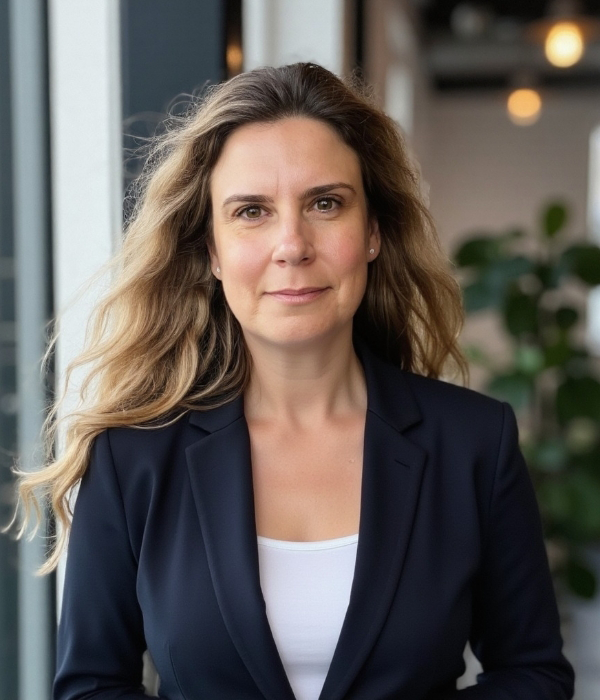
Photo of Anahata Neuman, M.A. Clinical Psychology, in an office setting.
What specialized techniques do you use to support patients in trauma recovery, leadership development, and understanding their challenges within a broader life context?2025-01-08T09:22:23-08:00
  • Crisis and Trauma Recovery: Skills in helping patients process acute or historical trauma and build resilience.
  • Leadership and Boundary Setting: Proven ability to manage group dynamics and maintain safety in therapeutic and organizational settings.
  • Contextual and Engaging Therapy: Utilizing customized, stigma-free strategies to help patients understand their challenges within a broader framework of life and meaning.
Who do you feel most passionate about working with, and how do you help them overcome obstacles to achieve their dreams?2025-01-08T09:26:16-08:00
  • Professionals and Creatives: Working with individuals in high-pressure roles, including academics, executives, artists, entrepreneurs, and political figures.
  • Athletes and Performers: Supporting performers, athletes, and individuals managing public-facing careers while maintaining mental performance.
  • Teens and Young Adults: Guiding younger patients through transitions, self-discovery, and relationship challenges.
  • Parents and Families: Helping mothers, fathers, and families navigate relational issues, parenting stress, and intergenerational dynamics.
As a psychiatrist, why should I refer my patients to you, and how do you collaborate with medical professionals to support their treatment?2025-01-08T09:27:08-08:00
  • Shared Language & Expertise: Bringing a deep understanding of acute symptom presentation and treatment strategies, creating a cohesive and informed approach to care with medical professionals.
  • Passionate About Meaningful Change: I am deeply committed to finding effective interventions for my patients, and I will persist until we uncover a solution that truly makes a difference in their lives, offering a more personalized and impactful alternative to the high-case-load nature of community mental health systems.
  • Medical Partnerships: Collaborating with psychiatrists, primary care doctors, and hospital teams to ensure continuity of care and a shared understanding of acute symptom presentation.
  • Step-Down Treatment: Expertise in partnering with medical professionals to help patients safely transition to lower levels of care, ensuring smooth and effective management.
  • Professional Referrals: Acting as a trusted resource for therapists and other providers who are managing challenging cases, offering support and collaboration to ensure comprehensive care.
Do you have specific areas of expertise or skills that distinguish your approach to therapy?2025-01-08T09:30:33-08:00
  • Severe Mental Illness (SMI): Extensive experience with individuals diagnosed with SMI, including psychosis, bipolar disorder, mood disorders, and borderline personality disorder.
  • High-Functioning Mental Health Challenges: Focus on supporting patients navigating complex personality challenges, anxiety, depression, and trauma while maintaining professional and personal responsibilities.
  • Crisis Intervention: Specialization in assisting patients in acute distress or transitioning from hospitalization, providing step-down care.
  • Family Dynamics: Expertise in working with families, helping them understand and support their loved ones, and managing intergenerational challenges.
What are your areas of expertise in mental health?2025-01-08T09:51:18-08:00

I specialize in treating complex mental health conditions, including psychosis, schizophrenia, bipolar disorder, extreme mood states, and trauma. My approach is deeply personalized, with a focus on evidence-based practices like DBT and CBT, combined with empathy and humor to foster growth.

Diagnostic Specialties

Treating the Full Spectrum of Symptoms

Together, the diagnostic process is approached as an opportunity to uncover subtle details, such as environmental influences, that hold the key to understanding the root causes of distress. Culture, life experiences, and the context of one’s surroundings shape both diagnosis and treatment. Rather than focusing on labels, diagnosis is used as a tool for deeper insight and to guide evidence-based care. Creative and personalized strategies are integrated to relieve symptoms, foster resilience, and empower you to take control of your mental health journey.

Skyscrapers under a cloudy sky.

Anxiety

Worry, stomach aches, headaches, trouble with being indecisive, sleep problems, restlessness, relationship distress, loss of appetite, over use of caffeine

Bipolar Disorder

Needing less sleep or no sleep, poor appetite and weight loss, racing thoughts, rapid speech, talking over people, highly irritable, impatient or aggressive

PTSD

Sexual trauma, combat, domestic violence, witnessing of high conflict, arguments in childhood, victim of a crime, learning of traumatic event occurring to a loved one

Psychosis & Schizophrenia

Unfamiliar thoughts or feelings, sensory or perceptual changes, withdrawal or loss of motivation, changes in your typical routine

Depression

Experience of significant loss (break-up, death, divorce, moving, loss of employment), low motivation/low energy, no longer feel like going out or connecting with friends and family, desire to end one’s own life, self-medication with drugs and alcohol, or food

Borderline Personality

Difficulty with age appropriate responsibility, fear of abandonment, self-harm, difficulty setting and respecting boundaries, trouble finding a “good fit” therapist, trouble at work, paranoia

Vignettes to Inspire Hope & Healing

Many of my patients carry complex life stories and have endured profound suffering, leading them to feel isolated in their struggles. The fictional vignettes I’ve written, inspired by common themes I encounter in my work, are meant to show that with the right support, no challenge is insurmountable or beyond hope.

The Driven Spark

A young mind fueled by ambition, seeking stability

“The Driven Spark” is an 18-year-old young man who, until recently, had been navigating the typical challenges of adolescence. Growing up in a supportive family, he had always been seen as a quiet and introverted individual, focused on his studies and hobbies. However, over the past few months, his behavior began to change in ways that alarmed his parents. Driven, who had previously been engaged with his family, started withdrawing into his room, spending long hours alone, and avoiding interactions with others.

Concern grew when his parents noticed that Driven was not sleeping well and had started talking to himself. His mood became increasingly unpredictable, marked by irritability and paranoia. He stopped attending classes at the local community college, a significant departure from his usual routine. The situation escalated when, in a moment of intense agitation, Driven lashed out at his parents and threatened them with a knife, leading them to call 911 for help.

At the emergency room, Driven’s distress was evident. He was disoriented, scared, and believed that the hospital staff was trying to harm him. His agitation was managed with medication, allowing him to calm down and rest. When he awoke, Driven shared that he had been diagnosed with ADHD a month earlier and had been prescribed stimulant medications to help him with his focus and academic performance. However, the increased dosage of these medications, combined with his anxiety over school, seemed to have contributed to his current state.

Driven had no prior history of psychiatric issues or substance abuse, making this sudden shift in his behavior all the more concerning. After his initial treatment in the emergency room, his stimulant medications were discontinued, and he was started on a new regimen that included an atypical antipsychotic. Over the next few days, Driven began to stabilize, and his parents’ daily visits provided him with comfort and reassurance.

By the time he was discharged, Driven was calmer and more coherent, with no lingering signs of the paranoia or hallucinations that had initially brought him to the hospital. He was referred to a local mental health center for ongoing care and follow-up with a psychiatrist, beginning a new chapter in his life where he could receive the support and guidance he needed to manage his mental health.

Driven’s story is one of an ordinary young man faced with an unexpected and challenging situation. His journey reflects the complexities of mental health, the impact of medication, and the importance of timely intervention and support from both family and professionals.

Ember of the Lost

A young woman seeking light through turbulent emotions

“Ember of the Lost” is a 22-year-old woman who has been grappling with the complexities of her mental health for much of her young life. Diagnosed with Bipolar Disorder (BD) at 16, Ember’s journey through adolescence and early adulthood has been marked by a series of turbulent experiences. The daughter of two full-time working parents, who care about her deeply and can’t understand her feelings of abandonment and insecurity.

From a young age, Ember’s life was a rollercoaster of intense emotions. She recalls her mood swings beginning around the age of eight, coinciding with her mother’s return to full-time work. Her moods were highly reactive, often triggered by her relationships and interactions with others. A fleeting interest from a boy at school could send her into a manic frenzy—texting her friends incessantly, obsessively shopping for the perfect outfit, and feeling an overwhelming surge of energy and excitement. However, this euphoria was fragile, easily shattered by teasing from peers or suspicions of infidelity, leading to explosive outbursts of anger and despair.

These “manic” episodes were frequent, sometimes occurring multiple times a day, and typically lasted for several hours. Despite her chaotic emotional landscape, Ember had never been offered psychotherapy; her treatment thus far had been solely pharmacological, with varying degrees of success. Over the years, she had been prescribed a cocktail of mood stabilizers—gabapentin, lamotrigine, and valproic acid—but none seemed to provide lasting relief. A recent overdose on valproic acid had landed her in the intensive care unit for five days, but she dismissed the incident as a “stupid mistake,” convincing the doctors that she was fine and would never attempt such a thing again.

During her first session with a new psychiatrist, Ember’s rapid speech and intense emotions were immediately apparent. The psychiatrist was struck by how Ember seemed to embody every symptom of Bipolar Disorder. Yet, there was something more—a deeper, more insidious pattern that hinted at an additional layer of complexity. As they delved deeper into her history, the psychiatrist began to suspect that Ember might also be suffering from Borderline Personality Disorder (BPD), a condition often mistaken for or co-occurring with BD due to the significant overlap in symptoms.

Ember’s history was fraught with signs of BPD: a persistent fear of abandonment, chronic feelings of emptiness, and a history of self-harm. At age 13, she had scratched the word “alone” into her forearm, an act of desperation that left her ashamed and self-conscious. She was relieved when the wound healed without leaving a scar, but the emotional pain remained. She frequently experienced auditory and visual hallucinations during times of stress—muffled voices calling her names like “fat” and “stupid,” and shadowy figures lurking at the edge of her vision.

In therapy, Ember expressed a deep longing for stability and understanding. She believed her life was out of control, with mood swings that seemed to defy any treatment. She described herself as a burden to those around her, convinced that everyone who entered her life would eventually leave, and her relationship with her parents has continued to become more strained since adolescence. She feels ashamed of the idea that the only place she ever felt truly safe was in the hospital, where she was surrounded by professionals who could manage her condition. Yet, she also harbored a profound fear of being abandoned by those very same caregivers.

As Ember’s psychiatrist explored her thoughts and feelings, it became clear that her emotional turmoil was rooted not just in her Bipolar Disorder but also in the deep-seated insecurities and impulsivity characteristic of Borderline Personality Disorder. The psychiatrist suggested that, while medication could help manage her symptoms, psychotherapy would be crucial in helping her learn to navigate her emotions and build healthier relationships. Ember was hesitant but desperate for relief, and she tentatively agreed to weekly sessions, hoping that this new approach might finally bring her the peace she had been searching for.

Ember is a young woman caught in the crossfire of two devastating mental health conditions, struggling to find her place in a world that often feels overwhelming and unmanageable. Her story is one of survival, resilience, and the relentless pursuit of understanding in the face of relentless internal chaos.


Portrait of Shimmer:
Navigating the Shadows

A mother balancing ambition, family, and emotional well-being

Portrait, a 27-year-old woman known for her intelligence and creativity, has faced a series of emotional challenges throughout her life. Raised in a middle-class family, her natural curiosity and drive have led her to a successful career while managing a vibrant home life as a devoted mother to her two-year-old child.

Her journey with emotional challenges began in her teenage years, when she first experienced significant episodes of mood instability. During this time, she was hospitalized for inpatient care and received treatment for her symptoms. Despite this early intervention, her struggles continued, leading to further hospitalizations and treatment at various institutions over the years.

Her first marriage, which ended after only a few months, was a testament to her resilience. She was able to rebuild her life, eventually finding love again and establishing a supportive second marriage. This new relationship has brought stability and happiness, but Portrait remains vigilant about her emotional well-being.

Recently, Portrait has been grappling with a resurgence of symptoms, marked by decreased need for sleep, increased impulsivity, and a growing sense of isolation. She has noticed a troubling pattern of increased material purchases and late-night work sessions, which have raised concerns among her family. Despite these challenges, Portrait has managed to maintain a successful career and a fulfilling family life.

Determined to prevent future hospitalizations and manage her symptoms effectively, Portrait is currently seeking therapy. She is committed to finding a therapeutic approach that minimizes medication and focuses on understanding her unique needs. However, she has encountered difficulties in finding a therapist who truly comprehends her experiences and can provide the nuanced support she requires.

Portrait’s story is one of resilience and determination. She continues to navigate her emotional landscape with intelligence and grace, striving to achieve stability and prevent future crises while searching for a therapeutic ally who can offer the insight and understanding she needs.

Conditions

How do you support patients who are either receiving or seeking a new diagnosis for better insight and treatment?2025-01-08T09:32:59-08:00

I provide a safe, non-judgmental space for patients to navigate the diagnostic process and its emotional impact. Together, we explore the complexities of symptoms, recognizing that mental health symptoms often overlap, evolve, and are influenced by underlying causes, which can shape both the diagnosis and treatment approach. My focus is on addressing the root causes of mental distress while considering how these factors interact with a patient’s experiences.

Rather than becoming fixated on a label, we use diagnosis as a tool for deeper understanding and to guide evidence-based treatments. I also incorporate creative and personalized strategies to relieve symptoms, foster resilience, and support remission. This process empowers patients to feel informed, understood, and in control of their mental health journey.

How do you assist individuals who feel hopeless, especially when their mental health seems to be worsening and traditional treatments aren’t helping?2025-01-08T09:34:11-08:00

When it feels like nothing is working, I take a creative approach to uncover what’s been missed. This might involve paradoxical interventions—methods that challenge the usual ways of thinking about the problem. We explore unspoken dynamics within relationships that may be slowing change, along with habits or beliefs contributing to the pain.

I also help patients view their challenges from a new perspective, finding meaning even in the struggle. Using tools like logotherapy, we connect the difficulty to a larger sense of purpose. It’s about building confidence, redefining possibilities, and creating small wins that pave the way to freedom. Together, we work to move past the barriers and rediscover a sense of possibility.

How do you support adult children struggling with independence and responsibility due to mental health challenges?2025-01-08T09:34:44-08:00

I help adult children navigate the difficulties of independence by building a strong therapeutic bond and exploring the emotional, cognitive, and relational factors that often contribute to these challenges. Together, we explore key areas like self-esteem, identity, and decision-making, empowering them to build confidence and find clarity as they navigate adulthood. By focusing on a recovery-oriented approach, I help them integrate healthier ways of living with mental health distress while fostering resilience and a greater sense of direction.

How do you support families where one member is diagnosed with Severe Mental Illness (SMI)?2025-01-08T09:38:47-08:00

I work closely with families to help them manage the complexities of living and or loving someone diagnosed with bipolar, psychosis, and/or borderline personality disorder. I use Structural Family Therapy, which reorganizes family dynamics to create a sustainable and peaceful relational environment, and Strategic Family Therapy, which addresses specific problems with targeted interventions. These interventions may seem paradoxical initially, but they can relieve distress quickly, create more flexibility in how family members interact, and promote healing.

How do you approach therapy with couples who struggle to get through a session due to fighting or emotional overwhelm, and how can individual DBT sessions with one partner help complement couples therapy if they are seeing another therapist?2025-01-08T09:39:51-08:00

I use DBT skills like mindfulness and emotional regulation to help couples manage emotional overwhelm and reduce fighting. If a couple is struggling, I can work with one partner individually to build skills that support their couples therapy. This personalized approach strengthens the relationship dynamic and assists both partners in improving communication and increasing happiness in their relationship.

What is psychosis, and how is it treated?2025-01-08T09:57:48-08:00

These warning signs may signal early psychosis:

  • Hearing, seeing, tasting, or believing things that others don’t
  • Suspiciousness or extreme uneasiness with others
  • Persistent, unusual thoughts or beliefs
  • Strong and inappropriate emotions or no emotions at all
  • Withdrawing from family or friends
  • A sudden decline in self-care
  • Trouble thinking clearly or concentrating

I am here to help you make sense of your experiences, whether they involve hospitalizations, taking time off school, or losing friends. My goal is to provide a safe and nurturing therapeutic environment where you can explore your next steps and transform what might feel like a lonely and confusing time into a journey of healing. I employ a cognitive-based behavioral approach that emphasizes thought categorization and intentional focus. For individuals experiencing fear, paranoia, auditory or visual hallucinations, and obsessive self-conscious thoughts, the goal is to navigate and tolerate these perceptions without compounding them with secondary problems. This approach helps individuals develop the skills to effectively manage their experiences, fostering a greater sense of stability and empowerment in their daily lives.

NEW PATIENTS

Let’s Start a Conversation

Schedule your free consultation to begin to find freedom from suffering and personal triumph in painful circumstances.
Go to Top